Introduction
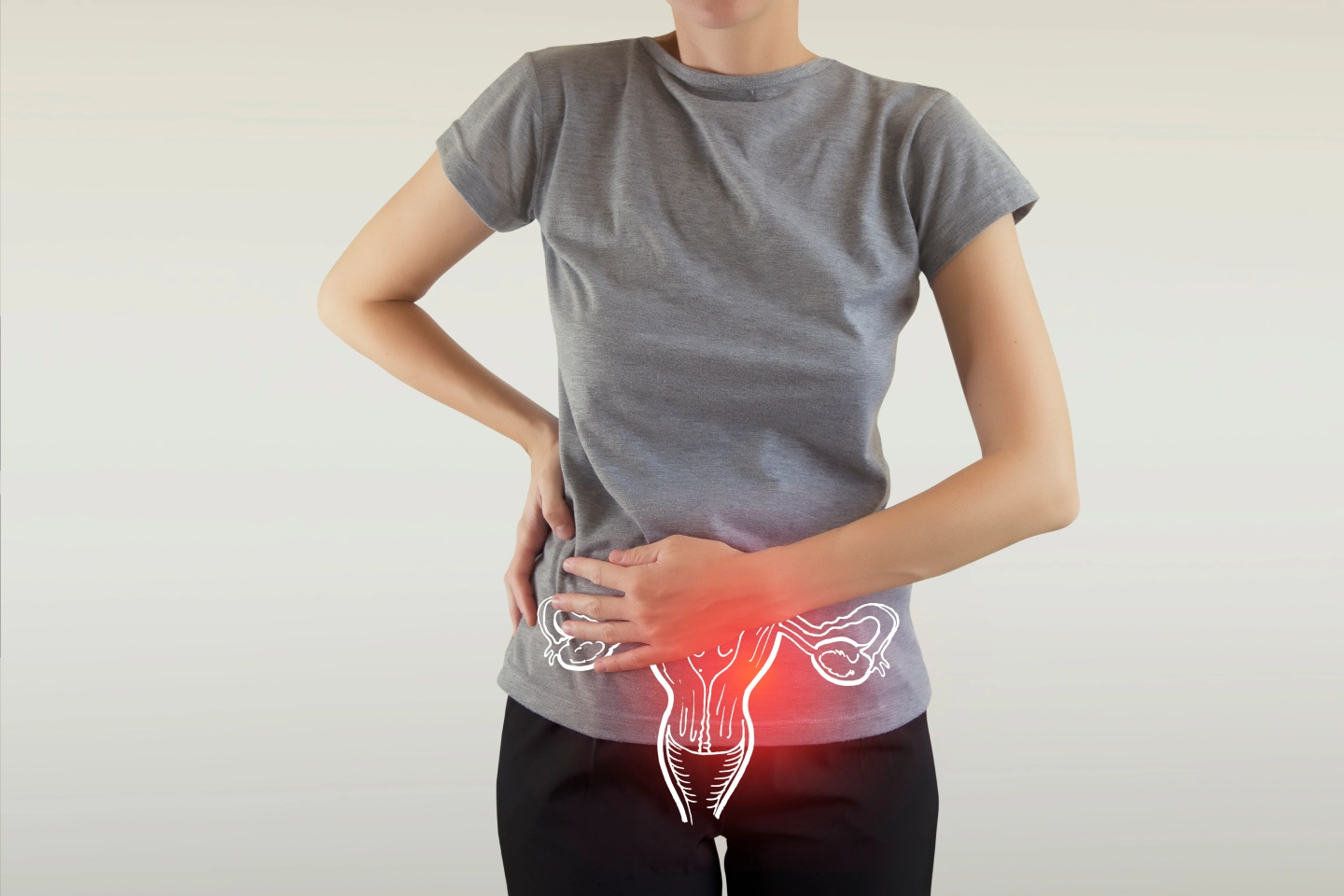
Abnormal uterine bleeding (AUB) is a common gynecological concern characterized by irregular, heavy, or prolonged menstrual bleeding. While it can occur at any age, the causes often differ between adolescents and adults due to variations in hormonal maturity, reproductive history, and underlying medical conditions. Understanding these differences is essential for accurate diagnosis and appropriate treatment.
AUB In Adolescents
Adolescents often experience abnormal uterine bleeding (AUB) mainly due to the immaturity of the hypothalamic-pituitary-ovarian (HPO) axis. In the early years after menarche, ovulation may not occur regularly, leading to hormonal imbalance and irregular or heavy menstrual bleeding. These episodes are usually temporary as the hormonal axis gradually matures. Common causes include:
1. Anovulatory Cycles
- Most common cause in the first few years after menarche.
- Immature HPO axis leads to irregular ovulation or no ovulation, resulting in unpredictable bleeding patterns.
2. Hormonal Imbalances
- Polycystic Ovary Syndrome (PCOS)
- Thyroid disorders or hyperprolactinemia
These conditions disrupt normal menstrual cycles and can cause heavy or irregular bleeding.
3. Coagulation Disorders
Conditions like von Willebrand disease can present as prolonged or heavy bleeding, sometimes noted during first menstruation.
4. Medications And Lifestyle Factors
Certain medications, stress, rapid weight changes, or eating disorders may influence cycle regularity.
AUB In Adults
In adults, structural and systemic causes become more prominent along with hormonal factors. Common causes include:
1. Ovulatory Dysfunction
- Often related to PCOS, perimenopause, or endocrine disorders.
- Leads to irregular, heavy, or prolonged cycles.
2. Structural Abnormalities
- Fibroids (Leiomyomas): Benign growths in the uterus causing heavy or prolonged bleeding.
- Endometrial Polyps: Localized overgrowths of endometrial tissue.
- Adenomyosis and malignancy are also considerations, especially in older adults.
3. Systemic Conditions
Thyroid disorders, liver disease, or anticoagulant use can contribute to abnormal bleeding.
4. Iatrogenic Causes
Hormonal contraceptives, intrauterine devices (IUDs), or medications affecting coagulation may alter menstrual patterns.
Key Differences Between Adolescents And Adults
Adolescents
In adolescents, the most common cause of abnormal uterine bleeding is anovulatory cycles due to immaturity of the hypothalamic–pituitary–ovarian axis. Hormonal changes are mainly related to this axis immaturity. Structural causes are uncommon in this age group, and systemic disorders are less frequently seen. The initial evaluation usually focuses on ruling out coagulation disorders and endocrine issues.
Adults
In adults, abnormal uterine bleeding is most commonly due to structural causes such as fibroids and polyps. Hormonal influences may include hormonal imbalances, PCOS, and perimenopause. Structural causes are relatively common in this age group, and systemic disorders may also be seen more frequently. The initial evaluation usually focuses on identifying structural abnormalities, ruling out malignancy, and assessing possible systemic causes.
When To Seek Medical Care
Regardless of age, medical evaluation is necessary if:
- Bleeding is excessively heavy or prolonged
- Bleeding occurs between periods or after intercourse
- Associated with pain, dizziness, or fatigue
- Cycles are irregular for more than 6–12 months in adolescents
- There is suspicion of hormonal or structural abnormalities
Early evaluation helps prevent complications such as anemia and ensures appropriate treatment.
FAQs
Q:Can Adolescents Have Fibroids?
A: Rarely. Fibroids are more common in adults but can occasionally be seen in late teens or young adults.
Q: Is Heavy Bleeding In Adolescents Normal?
A: Mild irregularity is common in the first few years post-menarche, but persistent heavy bleeding should be evaluated.
Q: Can AUB Affect Fertility?
A: If untreated, certain causes of AUB, like PCOS or structural abnormalities, may impact future fertility.
Q: Are Hormonal Treatments Safe For Adolescents?
A: Yes, when prescribed by a doctor. They help regulate cycles and manage symptoms effectively.
Q: Can Lifestyle Changes Help?
A: Maintaining a healthy weight, balanced diet, and stress management can improve menstrual regularity, especially in adolescents.
Conclusion
Abnormal uterine bleeding can arise from different causes depending on age. In adolescents, it is most commonly related to hormonal immaturity of the hypothalamic-pituitary-ovarian axis, leading to irregular or anovulatory cycles. In adults, structural conditions such as fibroids or polyps, hormonal imbalances, and systemic disorders are more frequent contributors. Understanding these age-related differences helps in accurate diagnosis and appropriate treatment planning.
Timely evaluation is important to prevent complications such as anemia, hormonal disturbances, or underlying undiagnosed conditions. Proper medical assessment, lifestyle guidance, and individualized treatment can effectively manage symptoms and protect long-term reproductive and overall health.
If you or your adolescent daughter experiences irregular, heavy, prolonged, or painful menstrual bleeding, consult Dr Rakesh Wasson, Gynecologist at Kiran Medicare Hospital, for thorough evaluation, expert guidance, and appropriate treatment to ensure optimal menstrual and reproductive health.


Hours
Mon–Sat:
Dr. Rakesh Wasson: 10am–4pm
Dr. Harkiran Wasson: 11am–4pm
Sun: By appointment only


At Kiran Medicare Hospital, we offer personalised fertility, women’s health, and advanced surgical care with compassion, expertise, and trusted guidance towards parenthood.


©2025 | Kiran Medicare Hospital | All Rights Reserved | Digital Marketing by Remedo