Laparoscopic Surgery
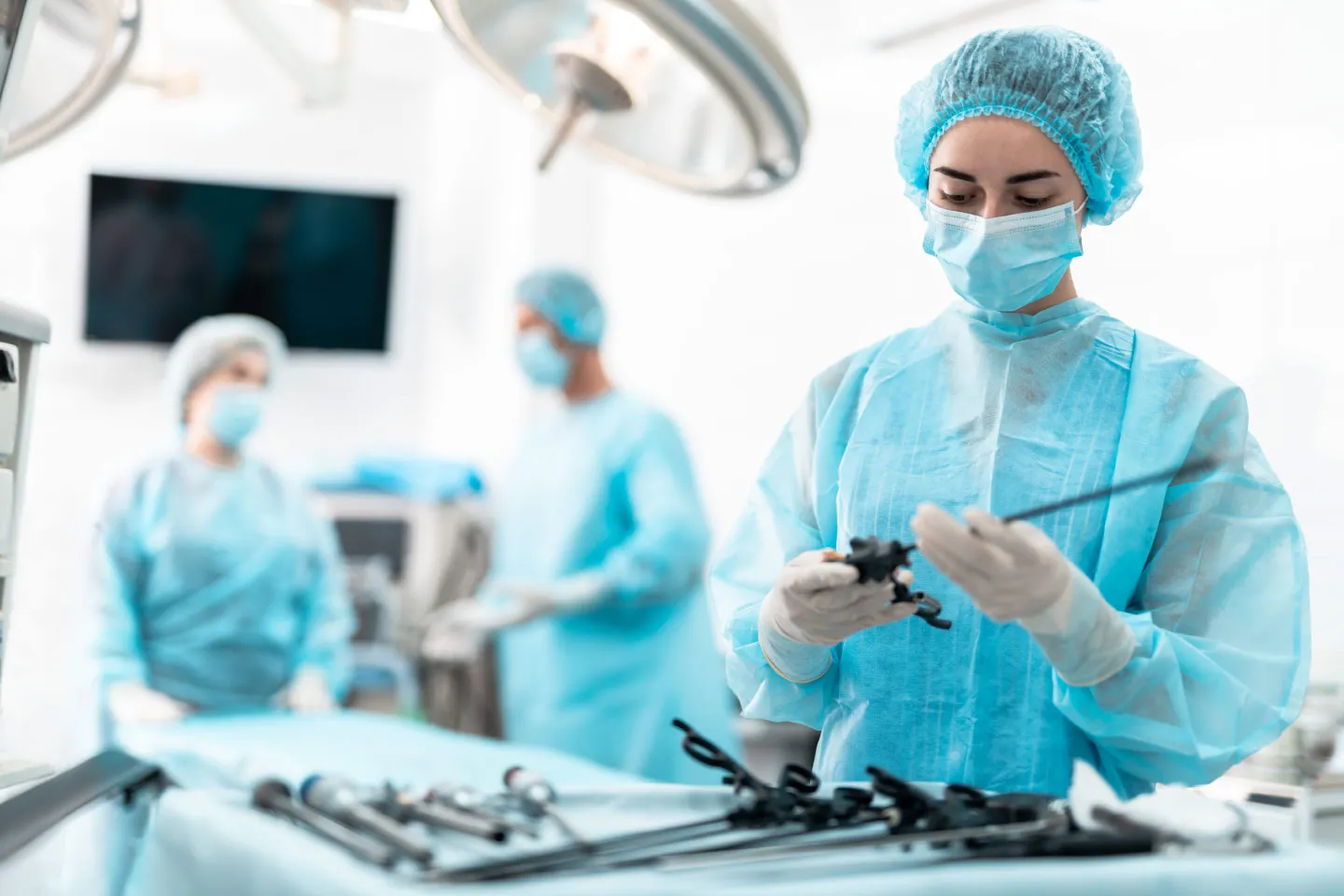
Laparoscopic surgery is a modern surgical technique that allows complex abdominal procedures to be performed through small keyhole incisions using a high-definition camera and specialised instruments. The laparoscope provides a magnified view of internal organs, enabling precise surgical movements while minimising trauma to surrounding tissues.
This approach has transformed surgical care by reducing postoperative pain, shortening hospital stay, lowering complication rates, and allowing faster recovery compared to open surgery.
Kiran Medicare Hospital offers comprehensive minimally invasive surgical solutions for a wide range of abdominal and pelvic conditions. Every procedure is planned after careful evaluation, ensuring safety, effectiveness, and long-term benefit for the patient.
When Is Laparoscopic Surgery Recommended
Laparoscopic surgery may be advised for patients suffering from conditions such as:
- Gallstones and gallbladder inflammation
- Appendicitis
- Hernias
- Bile duct stones and obstruction
- Acid reflux disease
- Liver infections and cysts
- Pancreatic pseudocysts
- Varicocele
- Congenital intestinal abnormalities
The suitability of laparoscopy depends on the patient’s age, overall health, disease severity, and previous surgeries.
Advantages of Laparoscopic Surgery
Compared to conventional open surgery, laparoscopic procedures offer several benefits:
- Small incisions resulting in minimal scarring
- Less blood loss during surgery
- Reduced postoperative pain and need for pain medication
- Lower risk of wound infection
- Faster return to normal daily activities
- Shorter hospitalisation
- Better cosmetic outcomes
These advantages contribute to improved patient comfort and quicker rehabilitation.
Laparoscopic Gallbladder Surgery (Lap Cholecystectomy)
Gallbladder stones are one of the most common digestive disorders and can cause abdominal pain, nausea, vomiting, bloating, fever, and complications such as infection or pancreatitis.
Laparoscopic cholecystectomy involves the removal of the gallbladder through small incisions. A camera and instruments are used to safely detach and extract the gallbladder without disturbing nearby organs. This procedure is considered the standard treatment for symptomatic gallstones.
Laparoscopic Appendectomy (Lap Appendix)
Appendicitis occurs when the appendix becomes inflamed or infected. If untreated, it can rupture and cause a life-threatening infection.
Laparoscopic appendectomy allows early diagnosis and removal of the appendix with minimal surgical trauma. It is especially beneficial in complicated cases, obese patients, and those with uncertain abdominal pain.
Patients usually recover quickly, experience less postoperative discomfort, and have shorter hospital stays compared to an open appendectomy.
Laparoscopic Common Bile Duct Exploration
Stones in the common bile duct can block bile flow, leading to jaundice, abdominal pain, fever, and serious infections such as cholangitis or pancreatitis.
Laparoscopic CBD exploration is an advanced procedure used to remove stones from the bile duct while preserving normal anatomy. It may be performed along with gallbladder removal when necessary.
This technique reduces the need for multiple procedures and offers effective long-term relief when performed by a trained surgeon.
Hernia Surgeries
A hernia occurs when an internal organ or tissue protrudes through a weak area of the abdominal wall. Common symptoms include a visible bulge, discomfort, pain during exertion, and digestive disturbances. Hernias do not heal on their own and usually require surgical repair.
Laparoscopic Hernia Surgery
Laparoscopic hernia repair uses small incisions to place a mesh over the weakened area, reinforcing the abdominal wall and preventing recurrence. It is suitable for inguinal, umbilical, incisional, and ventral hernias. This approach results in faster recovery, minimal pain, and early return to work.
TAPP (Transabdominal Preperitoneal Repair)
TAPP is a commonly performed laparoscopic technique for inguinal hernia repair. The surgeon accesses the preperitoneal space through the abdomen and places a mesh to support the weakened area. It is particularly useful for bilateral hernias and recurrent hernias after previous surgery.
IPOM Plus (Intraperitoneal Onlay Mesh Plus)
IPOM Plus is used for ventral and incisional hernias. The hernia defect is closed, and a mesh is placed inside the abdomen to strengthen the abdominal wall. This technique reduces recurrence rates and provides durable repair for larger hernias.
Organ-Specific Laparoscopic Surgeries
Laparoscopic Hydatid Cyst Surgery
Hydatid disease is a parasitic infection commonly affecting the liver. If left untreated, cysts can rupture or become infected. Laparoscopic surgery allows safe removal or drainage of hydatid cysts while minimising damage to healthy liver tissue. Strict precautions are followed to prevent spillage and complications.
Laparoscopic Liver Abscess Drainage
Liver abscesses can develop due to bacterial or parasitic infections and may cause fever, pain, weakness, and sepsis. When medical therapy alone is insufficient, laparoscopic drainage is recommended. This approach provides effective infection control with reduced hospital stay and faster recovery.
Laparoscopic Fundoplication
Patients with severe acid reflux or gastroesophageal reflux disease may not respond adequately to medications. Laparoscopic fundoplication strengthens the valve between the stomach and the food pipe, preventing acid reflux. This surgery can significantly improve symptoms such as heartburn, regurgitation, and chest discomfort.
Laparoscopic Pseudocyst Surgery
Pancreatic pseudocysts may develop after pancreatitis and can cause pain, fullness, infection, or digestive problems. Laparoscopic management involves drainage or removal of the pseudocyst, reducing symptoms and preventing complications while preserving pancreatic function.
Laparoscopic Varicocele Surgery
Varicocele is a common condition affecting young men and is associated with pain and infertility. It occurs due to abnormal dilation of the veins in the scrotum. Laparoscopic varicocelectomy improves blood flow, reduces discomfort, and may improve fertility outcomes in selected patients.
Laparoscopic Meckel’s Diverticulum Surgery
Meckel’s diverticulum is a congenital abnormality of the intestine that can cause bleeding, pain, or bowel obstruction. Laparoscopic surgery allows precise diagnosis and removal with minimal surgical trauma and quicker recovery.
Preoperative Evaluation and Postoperative Care
Before surgery, patients undergo a detailed assessment, including blood tests, imaging studies, and anaesthesia evaluation. Clear counselling is provided regarding procedure details, benefits, risks, and recovery expectations.
Postoperatively, early mobilisation is encouraged. Most patients can resume light activities within a few days. Follow-up appointments ensure proper healing and long-term success.
Book an Appointment
If you are experiencing abdominal pain, digestive issues, hernia symptoms, or require surgical evaluation, early consultation can make a significant difference.
Consult Kiran Medicare Hospital to discuss your condition and understand the best surgical options available.
Call today or book an appointment for comprehensive laparoscopic care.


Hours
Mon–Sat:
Dr. Rakesh Wasson: 10am–4pm
Dr. Harkiran Wasson: 11am–4pm
Sun: By appointment only


At Kiran Medicare Hospital, we offer personalised fertility, women’s health, and advanced surgical care with compassion, expertise, and trusted guidance towards parenthood.


©2025 | Kiran Medicare Hospital | All Rights Reserved | Digital Marketing by Remedo